

RTS – Recycled Textiles Tracking System
Real-Time Tracking for the Textiles Recycling Industry
P2 Programs’ Recycled Textiles Tracking System (RTS) is a streamlined, web-based platform built for the unique operational needs of textile recyclers. RTS delivers real-time inventory visibility, mobile data capture, and accurate tracking across every stage of the recycling workflow — all accessible from any device.

Label printing powered by BarTender®
Simplify and Streamline the Entire Recycling Process
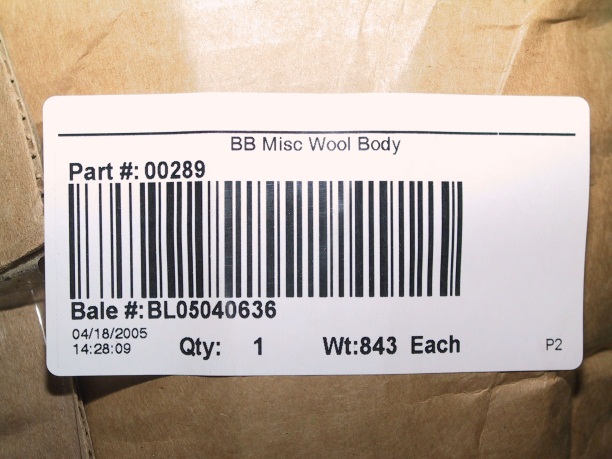
Uniquely Identify Each Bale of Material
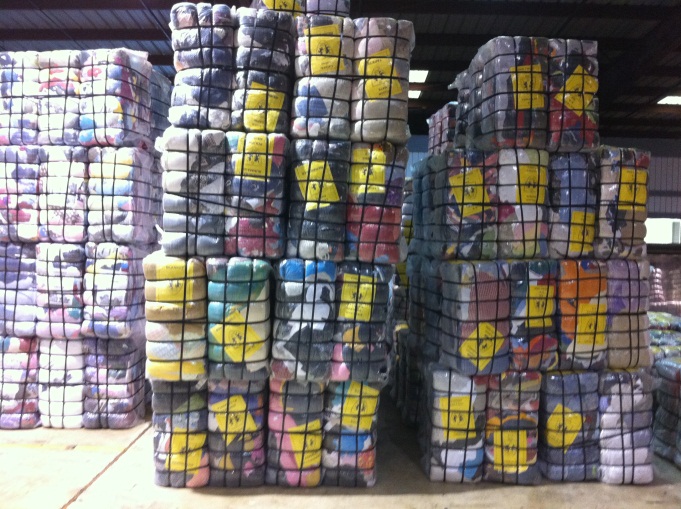
The Recycled Textiles Tracking System gives you the tools to establish a custom barcode serial number for each bale of material that you produce. This benefits you by allowing simple tracking of your entire inventory. P2 Programs’ high quality barcode labels are easy to create and print, as well as capable of being scanned from several feet away by a laser scanner.

Instant inbound receiving & data capture

Live warehouse inventory with full visibility
Accurate order building & streamlined shipping
A Proven Software Solution for Textile Recyclers
Backed by over 30 years of industry experience, RTS delivers a reliable, scalable system designed specifically for textile recycling operations.
Real-time Visibility from Intake to Shipment
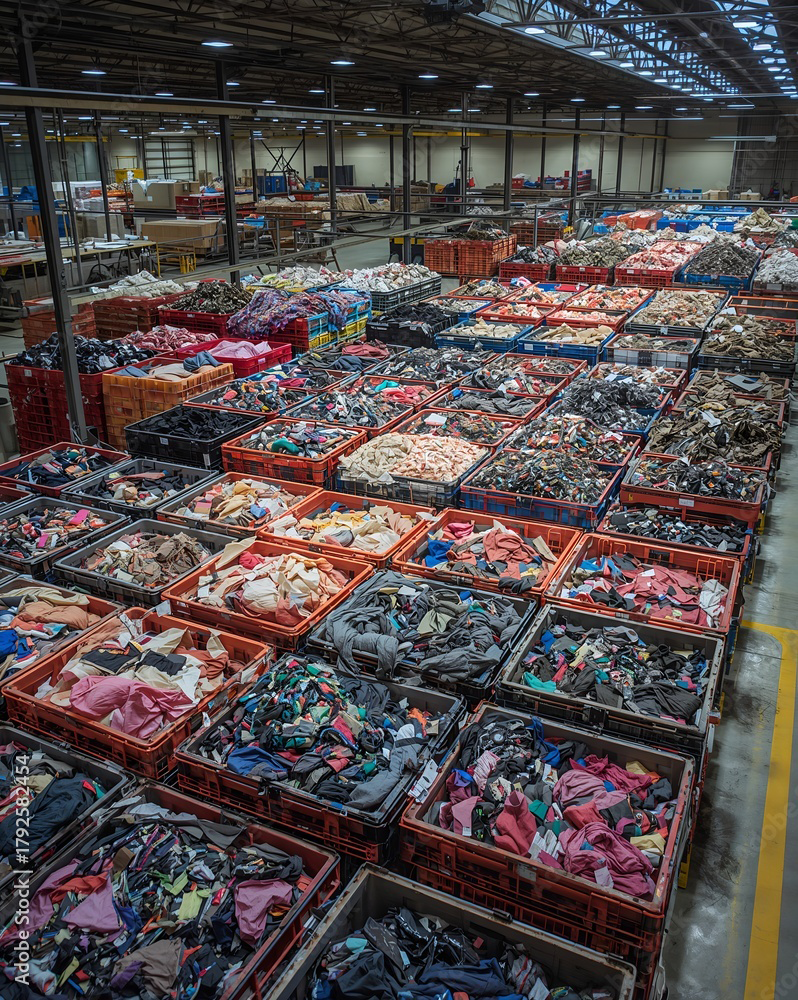
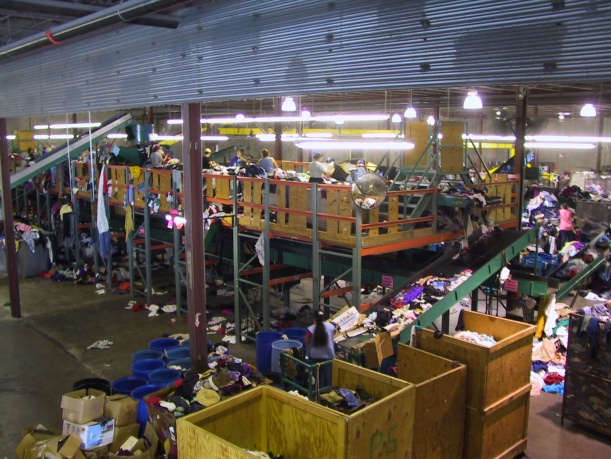
RTS keeps your entire operation connected. Track every incoming load, graded material, packaged bale, and outbound shipment with live, searchable data. Teams always know:
-
What materials are on the floor
-
What’s been sorted, graded, or packaged
-
Current warehouse inventory
-
What’s staged, loaded, or shipped
This eliminates manual spreadsheets and reduces costly errors.
Mobile Tracking Designed for the Warehouse Floor
RTS supports barcode scanning and mobile tablets, enabling staff to update data instantly — without returning to a workstation. Teams can:
-
Record inbound textiles
-
Grade and categorize materials
-
Print and apply bale labels
-
Build and manage outbound loads
-
Confirm shipments in real time
Faster updates mean cleaner data and higher throughput.
Increase Accuracy, Reduce Waste, and Improve Efficiency
With automated data capture and built-in validation, RTS helps operations:
-
Reduce errors in grading, labeling, and load building
-
Improve inventory accuracy
-
Increase processing speed
-
Strengthen audit trails and compliance
-
Make better decisions with real-time reporting

How we do it
RTS Process Overview
Step 1 – Enter & Route Orders
Order entry options
• Hand-key new orders directly into RTS
• Duplicate existing or closed orders to save time
• Import order information from another application
Choose your manufacturing path
• Manufacture to Customer / Bale Label
– Create bales directly for a specific customer
– Set these bales aside to be used on that customer’s orders
• Manufacture to Stock
– Send bales into general inventory
– Use these bales for any future order in RTS
• Manufacture to a Specific Order
– Create bales tied to a single order
– Reserve those bales so they can’t be misused on other orders
Step 2 – Print & Apply Bale Labels
Print labels as you produce
• After you’ve entered the order and chosen a path, RTS knows which bales are needed
• As each bale is produced, you print a label for that bale
• Apply the label directly to the bale on the spot
Track every activity with barcodes
• Each label has a unique barcode ID
• All activities performed on the bale are traced through this barcode
• RTS uses that barcode to maintain a full history of the bale
Step 3 – Pick, Scan & Ship Bales
Build a pick list, scan bales onto the truck, and verify shipments in real time.
Select orders ready to ship
• Choose an open order in RTS that’s scheduled to be shipped
• Use the Open Items tab to view all inventory available to ship against that order
• If inventory is available, create a Pick List (your to-do list for the shipment)
Use a WiFi-enabled mobile computer on the dock
• Enter the customer and order number you’re shipping
• Enter trailer information, such as the Bill of Lading number
• As each barcoded bale is loaded onto the truck, scan it
• RTS verifies that the bale matches a product on the order and the correct quantity
• You can remove or add pieces from the truck directly from the mobile device
Finish and print documentation
• After loading is complete, print the packing list
• Print directly from the mobile computer without leaving the loading dock
Step 4 – Create Invoices
Turn completed shipments into invoices in RTS or send them to QuickBooks.
Close the loop with billing
• Once orders are fulfilled and shipped, generate invoices right from RTS
• Create invoices directly from the order information
• Or export the invoice data to QuickBooks for accounting
• Ensure what was shipped and what is billed always stays in sync